Brazil: A melting pot of free nations
Brazil, the full name of the Federative Republic of Brazil, is named after Brazilian mahogany. Its capital is Brasilia, and it is the largest country in South America. Brazil has a land area of about 8.515 million square kilometers and a population of about 200 million. The main ethnic groups are white people and black and white mixed people. The official language is Portuguese, and the main religions are Catholicism and Christian evangelicalism.
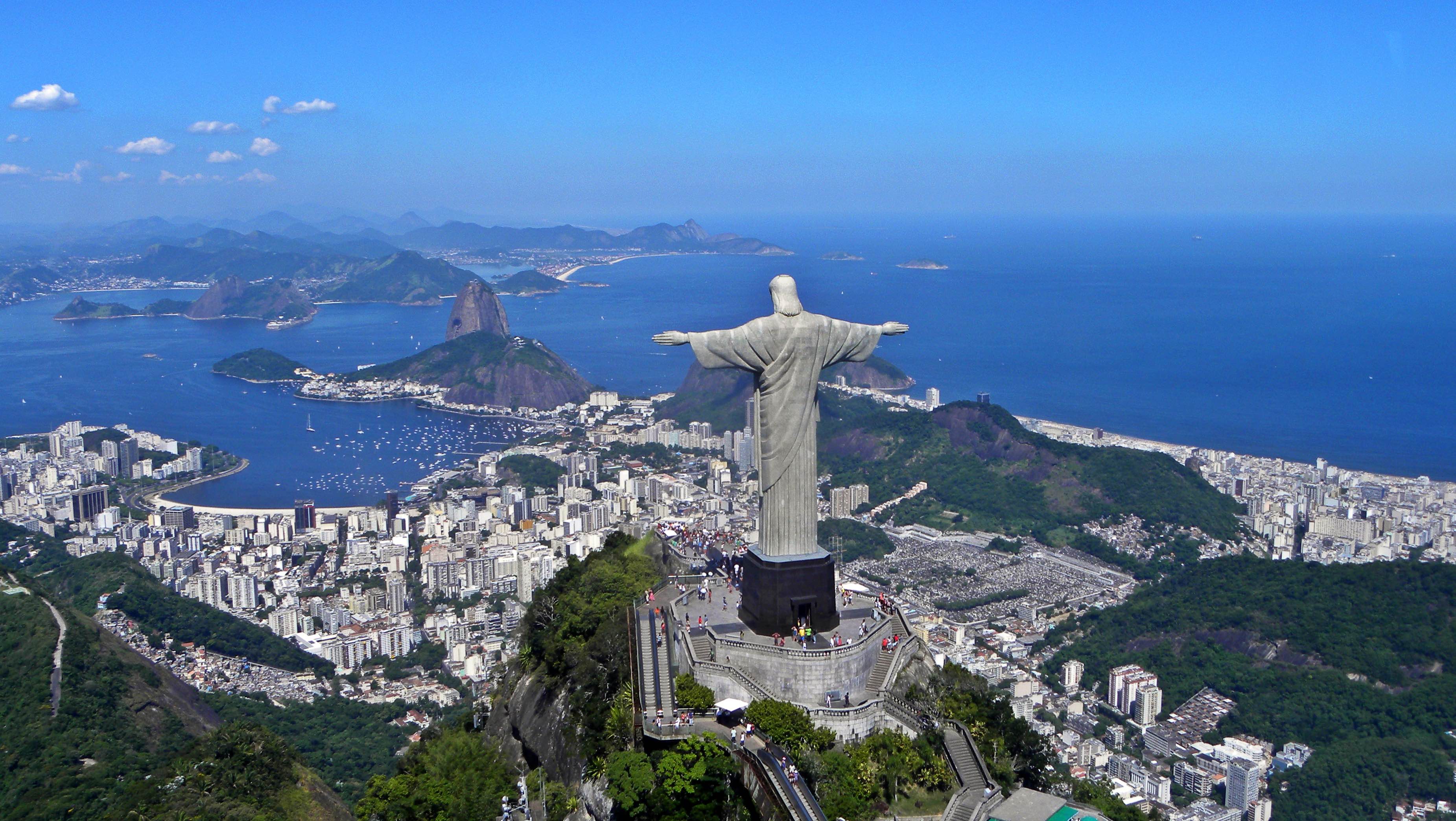
Brazil, the full name of the Federative Republic of Brazil, is named after Brazilian mahogany. Its capital is Brasilia, and it is the largest country in South America. Brazil has a land area of about 8.515 million square kilometers and a population of about 200 million. The main ethnic groups are white people and black and white mixed people. The official language is Portuguese, and the main religions are Catholicism and Christian evangelicalism.
Game Content Avoidance Guide
The Brazilian Federal Constitution protects freedom of speech, while also maintaining a balance between other principles such as freedom of speech, privacy, and dignity.
Brazil has a diverse cultural background and a tradition of freedom of speech, so Brazil is relatively tolerant and free in regulating game content. Brazil is relatively tolerant of content that is more sensitive to other countries, such as religion, culture, ethnic differences, and sexual orientation. In addition, the Brazilian people are also relatively relaxed about violence and drugs, and only a few games have been investigated or banned in Brazil. Violating the ban may result in criminal consequences for the relevant decision-makers involved in the production and distribution of the game, including fines and imprisonment for 3 months to 12 years.
In addition to child pornography, other types of bans are mainly aimed at approving illegal behavior or inducing illegal behavior in reality. Under the premise of freedom of speech, as long as the age rating system is followed, some sensitive scenes can be included in the game.
In Brazil, games should avoid the following:
1. Child pornography
2. Support for rape
3. Suicide
4. Discrimination
5. Support for Nazis
6. Induce crime, support crime
7. Attempt to oppose Brazilian sovereignty and democratic order
1. Child pornography
Includes children or adolescents participating in sexual acts, whether real or packaged, including the display of children or adolescents' genitals for sexual purposes.
2. Support for rape
Promote, induce, support for rape.
3. Suicide
Promote, induce, support for suicide.
4. Discrimination
Promote, induce, support discrimination related to the following content
● Religious freedom
● Race
● Nationality
● Gender
● Sexual orientation
● Social or economic status
5. Support Nazis Support content related to Nazis
6. Induce
support crime Induce, support crime, including murder, theft, terrorism, drug trafficking, animal abuse, etc.
7. Attempt to oppose Brazilian sovereignty and democratic order
● Promote content of civilian or military armed groups
● Destroy or insult the national flag
● Incite hatred of the national army
● Promote subversion of the ruling regime or social order
● Induce conflict between different social classes
● Defamation of the president
Controversial game cases:
There are not many controversial cases about games in Brazil. As mentioned above, Brazil is relatively tolerant of game content, and games are generally protected by freedom of speech as long as the rating system is followed.
a. Recent case: Bolsomito 2k18
The Brazilian Public Prosecution Office asked Steam to remove Bolsomito 2k18 because the protagonist of the game is very similar to the recently elected President Jair Bolsonaro. In addition, points can be earned in the game by beating homosexuals, women, blacks, and homeless people. The prosecutor's office believes that this game, which was released during the 2018 election: ① It clearly intended to harm the presidential candidate at the time; ② It was morally harmful to the homosexual and feminist movements in society. The appellate court that granted the ban believed that the game damaged the image, honor, intimacy, sense of security, freedom, dignity, and privacy of the president and other offended groups.
According to the official website of the prosecutor's office, Valve complied with the court's decision, removed the game from Steam, and submitted information about the producer BS Studios to the court.
b. Past cases
Past cases related to games mainly occurred in the late 1990s and early 2000s. The prosecutor's office requested the recall of some games (Doom, Streets of Blood, King of Fighters, Requiem, Blood, Duke Nukem Forever, EverQuest, Counter-Strike, Death Racer) because these games contain violent content and may have a negative impact on the mental health of children and adolescents.
Some games were first banned by lower courts, and then the ban was rejected by higher courts on the grounds of freedom of speech. The judge believes that age ratings can alleviate these problems. New versions of the following games are now successfully sold in Brazil.
Brazil uses a national content rating system to classify games that contain legal but sensitive content (sex, nudity, violence, etc.). However, because the rating system is voluntary for game products, there is no guarantee that a rated game will not be banned. Regardless of whether it is rated or not, it cannot contain illegal content.
The following are examples of games that have caused controversy in Brazil:
Death Racer (1997):
Violence involving players being able to hit innocent pedestrians
Doom (1993):
Extreme and overly realistic violence