How to use open source and commercial Large Language Model(LLM) in compliance with regulations
Recently, ByteDance was exposed to use OpenAI's big model API and output content to improve its self-developed big model project, including training and evaluation of the model. OpenAI's terms of service stipulate that its model output shall not be used to "develop any AI model that competes with our products and services." OpenAI has suspended ByteDance's account. Many big models prohibit the use of their output content for the optimization of competing products, and many big models directly prohibit commercial use.
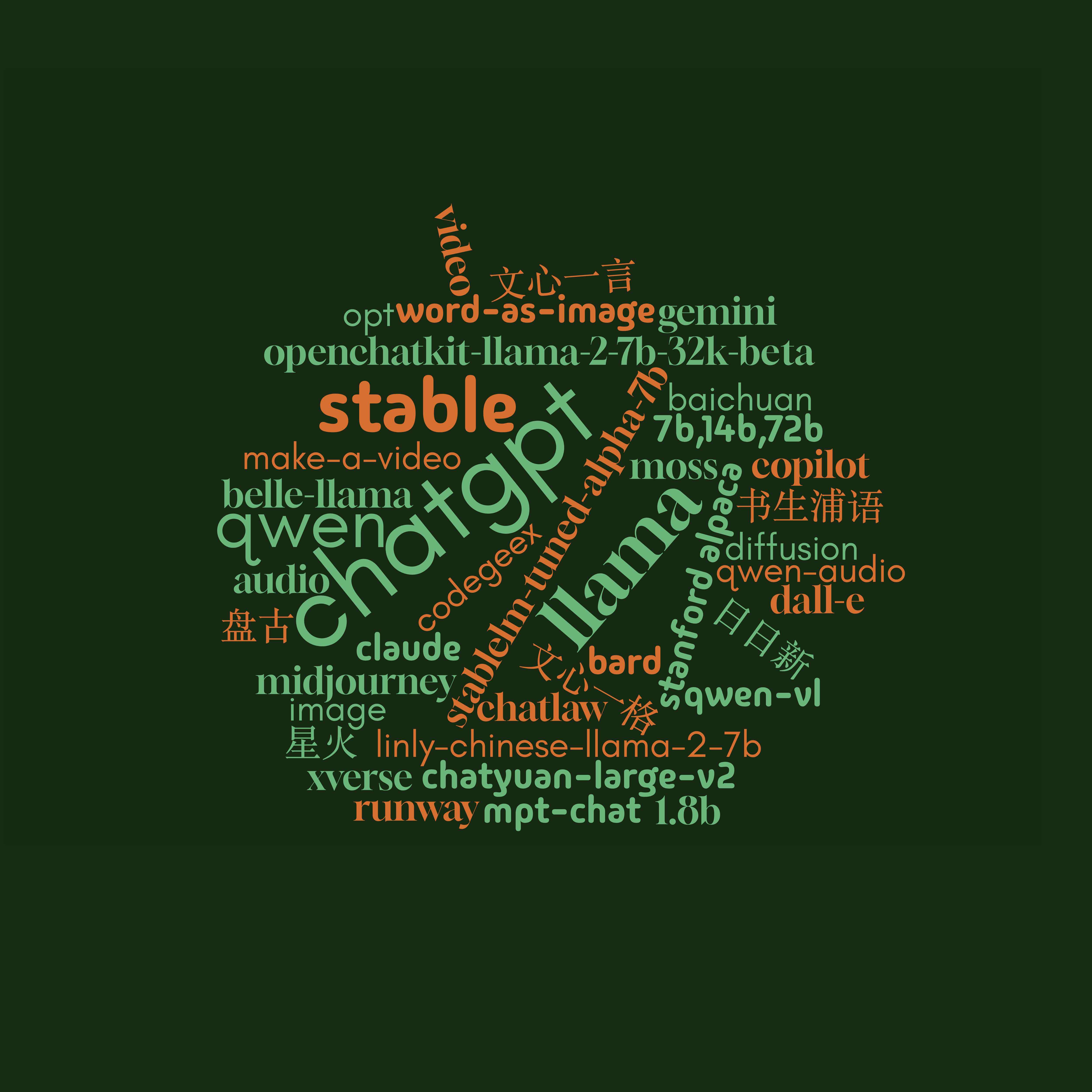
Recently, ByteDance was exposed to use OpenAI's large language model API and output content to improve its self-developed large language model project, including training and evaluation of the model. OpenAI's terms of service stipulate that its model output shall not be used to "develop any AI model that competes with our products and services." OpenAI has suspended ByteDance's account. Many large language models prohibit the use of their output content for the optimization of competing products, and many large language models directly prohibit commercial use. Therefore, when using third-party models (many of which are open source models), you need to pay special attention to the license agreements of these models to avoid breach of contract.
In the era of large language models, the quality and quantity of data play a vital role in improving model performance. Data has gradually become the core competitiveness of major companies in the AI track. Using model-generated data for model training has also become a data source that some teams will consider. In addition, in order to increase their own influence, many companies have adopted open APIs (such as OpenAI's ChatGPT) and open source (such as Meta's LLaMA) to expand the use and influence of models after taking the lead in developing large models with excellent performance. Such more accessible models are also more likely to become auxiliary tools used by developers in the process of building their own models.
We have always paid close attention to the influential open source or open API-accessible large models in the industry. According to our survey, there are many developers who restrict the use of models like OpenAI. Many models prohibit the use of their output content for the optimization of competing products, and many large models directly prohibit commercial use. Therefore, when using third-party models, you need to pay special attention to the model protocols applicable to these models to avoid violating the model protocols.
Risks of using large language models
We have investigated some popular large models. This article shares the risks of use as follows:
Most models in China must apply for special permission for commercial use
For example: Baichuan and Baichuan2, MOSS, Qwen series models, Yi, ChatLaw, Shusheng Puyu, etc.
Many models are prohibited from being used for commercial purposes and are limited to research use.
For example: BELLE-LLaMA, ChatYuan, Copilot (non-commercial licensed version), CodeGeeX, Llama, Image AI, MPT-Chat, OPT, Stable Diffusion Video, StableLM-Tuned, Alpaca, Xverse, Spark and other models. Among them, models developed by educational and scientific research institutions tend to limit commercial purposes.
There are also many models that restrict the use of model output.
For example: Bard requires that this model service cannot be used to develop machine learning models or related technologies;
BELLE-Llama stipulates that the code, data, model and subsequent derivatives generated by this project are used for research purposes and cannot be used for commercial purposes;
ChatGPT 3.5/4, Llama 2, DALL-E, Claude, Gemini, Qwen, Spark all require that the output content cannot be used to develop competing products; Baidu's Wenxin Yiyan and Wenxin Yige also prohibit the use of output for commercial purposes.
Regional restrictions and restrictions on the number of active users
For example: Google Gemini cannot be used in mainland China, Hong Kong, Macau and other regions;
Llama2 and BaiChuan2 also have restrictions on the number of daily and monthly active users.
Although open access to large models is conducive to the development and progress of the industry, we need to strictly abide by model-related agreements (commercial license agreements and/or open source model-related agreements) during development and use, and avoid using models that are prohibited from commercial or competitive use for our own research and development needs.