Can hashing technology really make data anonymous?
Hashing technology is a process that converts data (such as email addresses, phone numbers, or user IDs) into a fixed-length value (hash value) through an algorithm.
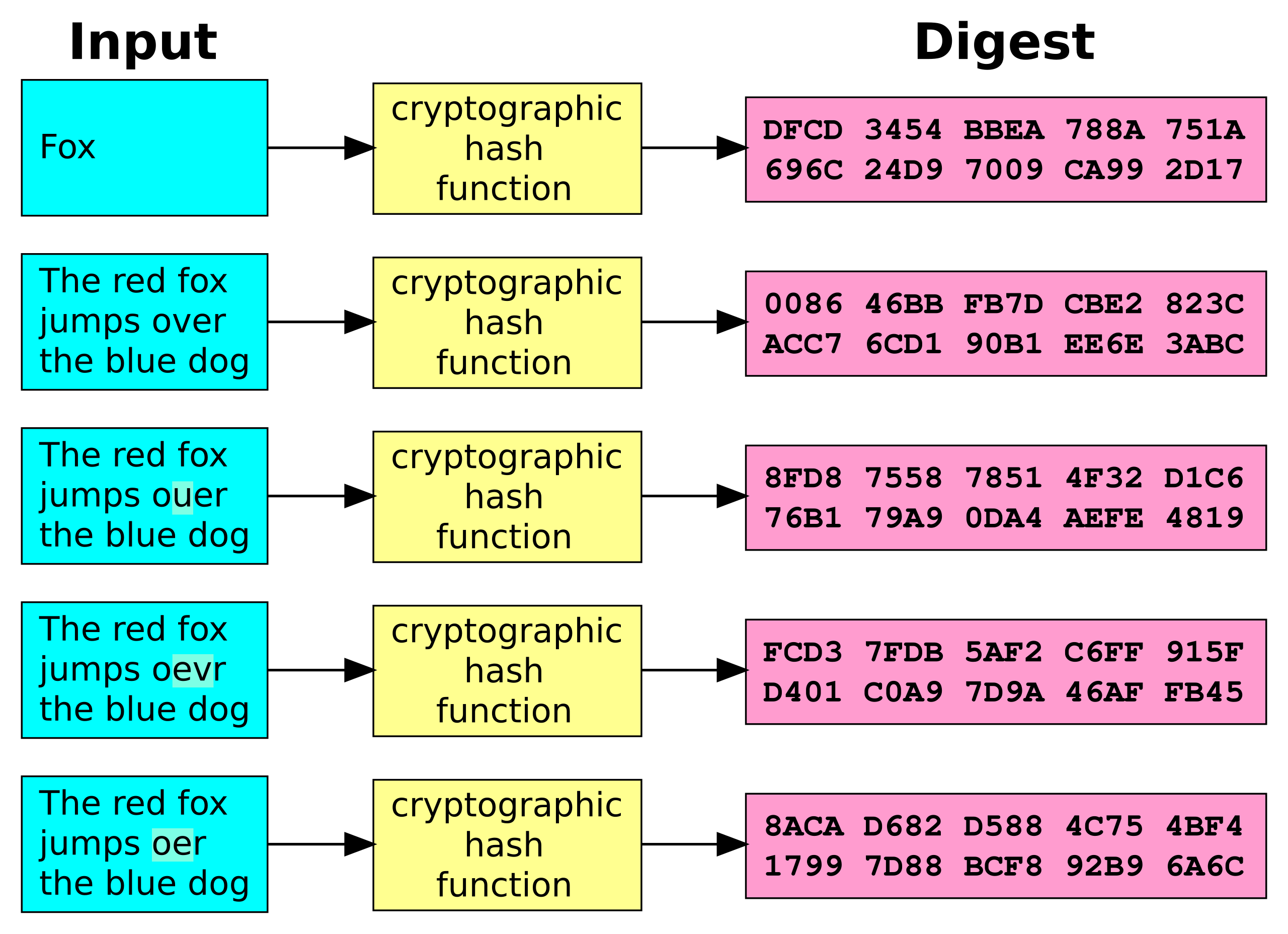
I. What is hashing technology
Hashing technology is a process that converts data (such as email addresses, phone numbers, or user IDs) into a fixed-length value (hash value) through an algorithm. The benefit of hashing technology is that it can make the original data difficult to identify. For example, the "098f6bcd4621d373cade4e832627b4f6" in the example below looks meaningless, greatly reducing the sensitivity of the collected data.
II. The shortcomings of hashing technology
Although hash values appear to be random and irreversible on the surface, since the hash values corresponding to the data are unique, there is a specific correlation between the two. In some cases, the original data can be re-derived through brute force cracking or lookup table and other technical means to re-identify personal information.
This means that although hashing technology can cover up the original data and avoid directly leaking the user's personal information, it cannot achieve true anonymization. Anonymization requires that after the data is processed, it is completely impossible to identify any specific individual, thus out of the jurisdiction of privacy laws. However, hashing technology is more like pseudonymization, which reduces the direct relevance of data by using pseudonyms instead of real identity identifiers, but still retains a certain degree of identifiability. Therefore, pseudonymized data may still be considered personal data and is still strictly regulated by privacy laws.
Because of this, the FTC (the Federal Trade Commission) pointed out that data is anonymous only when it is absolutely impossible to link to an individual. If data can be used to uniquely identify or locate a user, it may still cause privacy leakage and user harm. Therefore, companies should not claim that hashed data is anonymous, nor should they rely on hashing technology to protect user privacy. Hashing technology cannot truly anonymize data, and its abuse may lead to privacy leakage.
III. Legal risks of hashing technology
As early as 2012, the FTC began to notice the risks of hashing technology and stated that if a company stated in its privacy policy that the information they sold or shared no longer contained personal information because of hashing, then the company may face charges of unfair or deceptive trade practices under the authority of Section 5 of the Federal Trade Commission Act.
In subsequent enforcement actions, the FTC did accuse multiple companies of misconduct caused by hashing technology. In 2015, the FTC accused Nomi of tracking users through MAC addresses without informing consumers. Although Nomi claimed that the MAC address had been obfuscated through hashing, the FTC believed that this was a persistent unique identifier that could track consumer behavior for a long time. In 2022, the FTC filed a lawsuit against BetterHelp, an online consulting service company, accusing it of sharing hashed email addresses containing sensitive health information with Facebook. This caused the data of these users to be re-identified and then used for advertising targeting. In 2023, the FTC accused Premom of sharing users' advertising identifiers and device identifiers, violating its privacy policy statement of "only sharing non-identifiable data with third parties." The FTC pointed out that although these identifiers appear anonymous, they can actually be used to track users and may eventually be associated with personal identities. In 2024, the FTC filed a lawsuit against InMarket, accusing it of collecting and using unique mobile device identifiers for user tracking without user consent.
In fact, not only the United States, but also other parts of the world, especially the European Union, have extremely strict requirements for anonymization. According to the "Opinion on Anonymization Technology" issued by the Article 29 Data Protection Working Party of the European Union, hashing technology is a "pseudonymization" rather than "anonymization" technology. The working group pointed out that hashing can "reduce the linkability between the data set and the original identity of the data subject" and is therefore "a useful security measure", but this does not mean that the data has been anonymized. Data can only be considered anonymous when it is completely unable to be associated with an individual's identity.
IV. Compliance Operation Recommendations
Therefore, we need to make it clear that, at least under the European and American legal systems, data is anonymous only when it is truly unable to be associated with an individual. All user identifiers have strong identification and tracking capabilities, regardless of their appearance. Companies cannot use the ambiguity of identifiers as an excuse to improperly use or disclose data.
We recommend that when using hashing technology, the following compliance operations be taken to minimize potential risks:
1. Data minimization principle: When processing user data, ensure that only absolutely necessary personal information is collected and processed. Minimize potential privacy risks as much as possible.
2. Combine with other technical means: Do not rely on hashing technology alone. Consider combining it with other anonymization technologies, such as adding random elements to further increase the complexity of the hash value and prevent reverse engineering. In addition, encryption technology can be used to enhance data protection. For example, use the most advanced encryption technology or pseudonymize personal data. These technical measures can effectively improve the level of data privacy protection. However, if these encryption technologies are irreversible, they may cause the data to no longer be used or processed in any meaningful way and have no usability.
3. Regular audits and updates: Regularly review and update data protection measures to ensure that hashing algorithms and other security measures can resist the latest threats. Audits should also include simulation tests of data breaches to ensure that you can respond quickly and take appropriate measures in the event of a data breach.
4. Transparency and user notification: When collecting user data, be sure to clearly inform users in the privacy policy how we use their data, including the application of hashing technology and potential risks. Transparent communication can enhance user trust and also help reduce legal liability when problems arise.