The Chinese company Apitor was fined by the FTC for collecting children's data in violation of the US COPPA Rule.
The article details the case of Apitor, a Chinese company, being fined by the U.S. Federal Trade Commission (FTC) for violating the Children's Online Privacy Protection Rule (COPPA). The article also mentions TikTok being investigated in Canada for collecting sensitive information from children.
I. Case Background
The US Department of Justice, acting on behalf of the US Federal Trade Commission ("FTC"), filed a lawsuit against Apitor Technology ("Apitor"), alleging that Apitor failed to comply with its privacy policy's statement regarding its compliance with the Children's Online Privacy Protection Rule ("COPPA Rule") and collected the location data of children under the age of 13 without notifying parents and obtaining parental consent.
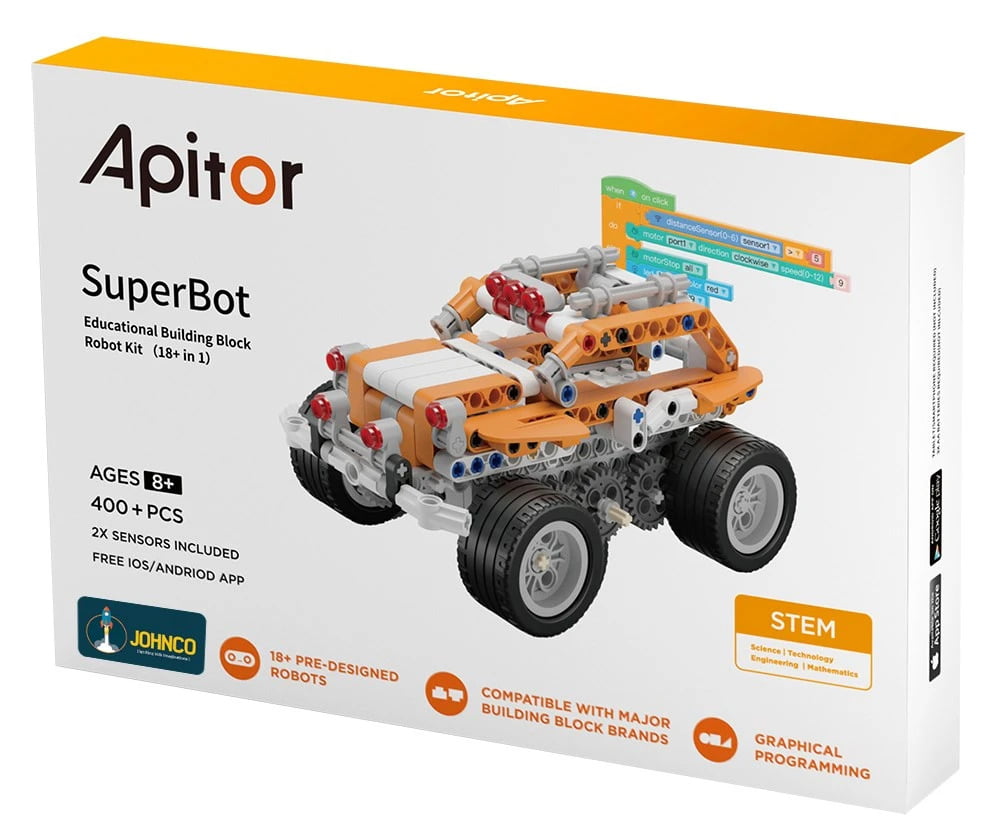
Specifically, Shenzhen-based Apitor manufactures and sells programmable robotic toys for children aged 6 to 14. It provides a free, required Apitor app ("App") for remote control of the robotic toys. Android users must enable location sharing to use the App and connect to the toys. Apitor integrated a third-party SDK called JPush into its App, which allows data to be used for any purpose, including advertising. Once Android users download the App, it begins collecting precise location data and sharing it with JPush servers. This collection behavior was not notified to parents in advance, nor was parental consent obtained, thus seriously violating the COPPA rule that parental consent is required for data collection from children under the age of 13.
At the same time, on September 23, TikTok was also pointed out by the Canadian Privacy Ombudsman that it collected a large amount of sensitive information from children for targeted advertising [1]. Although TikTok claims that its platform is not for people under the age of 13, the investigation found that hundreds of thousands of Canadian children still visit the TikTok platform every year - and the platform continues to collect and use the personal information of minors. In addition, although this joint investigation focused on children, it also found that TikTok did not fully explain its data processing methods to adolescent and adult users, nor did it obtain substantive consent for the collection and use of user data (including sensitive data of minors) as required by Canadian privacy laws.
II. Key points of the US Department of Justice's allegations
1. Legal basis
The COPPA rule requires operators to meet specific requirements before collecting, using or disclosing children's personal information, including but not limited to:
(1) Providing a clear, understandable and complete information processing notice that must include specific terms disclosed directly to parents;
(2) Obtaining verifiable parental consent before collecting, using and/or disclosing children's personal information.
2. Specific Violations
(1) Apitor did not directly inform parents that it was collecting children's personal information (violating COPPA Rule 312.4(b)–(c));
(2) Apitor did not adequately inform parents on its website or online services that it was collecting or entrusting third parties to collect children's personal information (violating COPPA Rule 312.4(d));
(3) Apitor did not obtain verifiable parental consent before collecting children's personal information (violating COPPA Rule 312.5(a)).
The above violations of COPPA rules also constitute unfair or deceptive business practices under Section 5(a) of the FTC Act.
III. Settlement and Rectification Agreement
Finally, Apitor reached a settlement with the FTC. The settlement agreement mainly includes:
1. Rectification notification and parental consent mechanism to comply with COPPA regulations: Before Apitor collects or allows third parties to collect personal information of children under the age of 13, it must notify parents in advance; before Apitor or its authorized parties collect, use or disclose personal information of children under the age of 13, they must obtain verifiable parental consent.
2. Prohibition on collecting children's personal information
(1) Deletion of data: Delete all personal information related to affected users unless Apitor has provided direct notification and obtained verifiable parental consent. (2) Submit a written explanation: The FTC requires Apitor to submit a compliance report within 60 days of the settlement order, which must include:
● A description of all processes Apitor uses to provide direct notification to users and seek verifiable parental consent;
● Identify the total number of users who: (a) provided direct notification, (b) obtained verifiable parental consent, (c) explicitly declined verifiable parental consent, and (d) did not respond;
● Detail any personal information retained by the defendant, the basis for retention, and, if applicable, the specific government agency, law, regulation, or court order requiring retention;
● Confirm that all personal information required to be deleted under the settlement agreement has been deleted.
3. Fine: Apitor was fined $500,000 (but the fine will be suspended due to the company's inability to pay. Apitor must pay the fine immediately when the suspension is lifted).
4. Submit a Compliance Report: Apitor must submit a compliance report one year after the effective date of the Settlement Agreement, which shall include:
(1) Basic information about Apitor, such as its address, mailing address, contact information, etc.;
(2) Basic information about its subsidiaries;
(3) The operating activities of each business, including the goods and services provided and advertising, marketing and sales methods;
(4) A detailed description of whether Apitor has complied with the terms of this Settlement Agreement;
(5) Ensure that a compliance notice is submitted within 14 days of any change in Apitor's contact information or corporate structure.
5. Record Preservation: Within 10 years after the effective date of the Settlement Order, the following records must be established and preserved for five years:
● Accounting records showing all sales revenue of goods or services and records of information related to service providers;
● Records of all consumer complaints and refund requests related to Apitor's privacy practices (whether received directly or indirectly, such as through third-party channels), and related processing responses;
● All records required to demonstrate full compliance with the terms of the Settlement Agreement.
IV. Impact Analysis
1. Maintaining Age Gates, Parental Consent, and Notification Mechanisms: The US FTC is tightening its enforcement of child privacy regulations. In addition to age gates, notification and parental consent mechanisms have become key regulatory priorities. Any product targeting children under 13, or knowingly containing children, must establish a notification mechanism and a clear, reliable, and verifiable parental consent mechanism from the outset. This process cannot be circumvented simply for the sake of a smooth user experience or lowering the registration threshold.
2. Disclose the use of third-party SDKs in the privacy policy: The Apitor case highlights the potential for third-party SDKs to become a "gray area" in data compliance. If businesses integrate third-party plug-ins, advertising services, or analytics tools into their product development, they must disclose all purposes of their use to assess legal compliance.
Age gates and parental consent mechanisms, as the first line of defense for handling minors' data, have always been key regulatory priorities and are crucial for ensuring privacy compliance for products going global.
V. Conclusion
The Apitor case highlights the high-pressure stance of US regulators on child data protection and reveals potential risks for companies in their data collection notifications, use of third-party SDKs, and parental consent mechanisms. We will closely monitor the latest FTC enforcement developments and requirements to ensure that our products launched and operated in the US comply with COPPA regulations.
References
1.https://www.bbc.com/news/articles/c4gj5lqq52lo
2.https://www.priv.gc.ca/en/opc-news/news-and-announcements/2025/nr-c_250923/